
We’ve spent countless hours digging into live dealer mechanics, and the modern live casino studio is one of the iGaming industry’s biggest tech achievements richcasino.eu. Load a live table at Rich Casino and you’re not looking at a computer simulation. You’re observing a professionally run broadcast facility where real croupiers handle real cards on real tables. The blend of broadcast-grade video, optical character recognition, and high-stakes human interaction spans the gap between brick-and-mortar casinos and your screen. Comprehending how these studios work, what distinguishes a dull stream from a sharp production, and how to select the right table alters how you play. This guide covers every layer of the live studio ecosystem.
The Structure of a High-End Live Casino Studio
Walk into a top-tier live casino studio and you step into a facility that rivals a TV broadcast center. The floor is split into zones, each focused on a game type. One spacious studio might hold dozens of blackjack tables, a bunch of roulette wheels, and several baccarat pits, all functioning at the same time under carefully synced lighting. Temperature is carefully managed because the heat from HD cameras and lights can warp the felt on the tables or make cards act up. The tables themselves are custom-built, often with built-in RFID readers that read every card the moment it leaves the shoe. That data feeds straight into the graphics overlay on your screen, so the digital display matches the physical action with zero lag. The walls are acoustically treated to kill echo, and the floor is often elevated to cover the miles of cabling that keep the whole operation operating flawlessly.
The camera setup is the key element. A standard table gets at least 3 to 5 cameras, each adjusted for a certain angle. You will see a wide shot that shows the dealer and the table, a close-up focused on the card area or wheel, and sometimes an overhead camera for games like roulette where the ball’s final resting spot must be unquestionable. These aren’t webcams; they’re broadcast sensors that capture movement at high frame rates to prevent motion blur during fast card sweeps. The feed passes through a control room where a director transitions between angles in real time, just like a live sports broadcast. That’s why you observe the dynamic zooms when the dealer turns over a card. Green screen behind the dealer lets the operator add branded backgrounds or themed environments without reconstructing the set, so the visual experience at Rich Casino keeps its appeal across different game lobbies.
The Importance of the Game Presenter and Dealer Training
The individual at the table is the most critical variable in the studio. Professional live dealers undergo training that extends far beyond the rules of blackjack. They’re TV personalities equally as croupiers. A tough training program trains them to speak clearly into a lapel mic, hold eye contact with the camera lens in place of a human face, and use hand gestures that appear clearly on small mobile screens. The best dealers move with metronomic consistency, showing empty hands to prove no cards are palmed and sweeping the table in a way that meets security protocols while keeping the visual flow. That theatrical precision is what makes the experience feel premium, not mechanical.
Beyond the technical handling, dealers learn conversational skills that honor cultural boundaries. Streams are broadcast globally to audiences like those at Rich Casino, so dealers usually speak English, but their banter is intended to be welcoming to everyone. They acknowledge player chat messages without breaking the game rhythm, congratulate winners by username, and keep the mood positive even through losing streaks. The floor is managed by pit bosses who check game integrity and the room’s energy level. If a dealer’s energy dips, they are swapped out. This human touch is the core difference from digital games; a charismatic dealer can transform a standard seven-seat blackjack table into a social event. Picking a table based on the dealer’s persona is a legitimate and often overlooked way to boost your enjoyment.

Mobile Optimization and Dynamic Streaming Technology
Adaptive bitrate streaming is a major factor in live studios. The video feed leaving the studio is a substantial, uncompressed signal. Before it arrives at your smartphone, it runs through transcoding servers that divide the stream into several quality tiers. On a desktop with a fiber connection, you receive a 4K or 1080p feed with crisp audio. On a mobile device with a cellular connection, the player automatically detects your screen size and bandwidth, reducing the resolution to avoid buffering. We’ve tested these transitions thoroughly, and the best platforms make sure you always maintain audio sync, even if the video resolution drops for a moment during network congestion. That’s crucial because a roulette ball won’t pause to buffer.
The mobile UI overlay is a minimalist achievement. Portrait mode has become the default for live dealer mobile play: the video stream is placed in the upper third of the screen, the betting grid in the lower two-thirds. That ergonomic layout lets your thumb put chips without blocking the action. Studios design their shots with mobile cropping in mind, so the dealer’s hands and the key game area stay in the frame’s safe zone even when the sides get cut off on a narrow screen. Pinch-to-zoom on the table is becoming increasingly common, letting you examine the roulette wheel or card shoe in detail that https://nationalpost.com/news/canada/lottery-four-times-cancer-survivor-alberta sometimes beats the desktop view. This mobile-first approach means the studio’s lighting and color balance must be calibrated for OLED and LCD screens, which show contrast differently than desktop monitors.
Financial Integration and the Live Gaming Cashier Workflow
The financial plumbing that connects your bankroll to the live table is built for maximum efficiency. Joining a live table puts you in a time-pressured scenario where a betting window might last only 15 seconds. The payment infrastructure must enable immediate balance changes without a page refresh that would disconnect you from the live video feed. Modern live casino setups use a wallet API that enables you to top up your balance during a session through a side menu. You can add money via debit card, electronic wallet, or bank wire, and the funds hit your live dealer balance as quickly as the transaction clears, usually in just seconds for real-time methods.
Withdrawal management for live casino winnings follows the platform’s usual security procedures, but we have observed identity checks is becoming more efficient. You usually have to pass a Know Your Customer (KYC) check once, and then the cashier remembers your favorite method. Settlement times differ: digital wallets frequently provide payments in just a few hours, while wire transfers take typical business days. One key insight: live gaming play creates a distinct transaction pattern than slot machines. Live table gaming often involves higher, less common stakes, so financial processors may apply standard security holds to make sure safe gaming boundaries are observed. Set deposit restrictions before starting a live gaming session. The live studio’s captivating nature can make time and budget awareness disappear faster than in a typical digital game.
Regulatory Oversight and Game Fairness Within the Studio
A live casino studio represents a compliance fortress. We’ve studied the operational protocols, and every action on the floor is documented and auditable. Regulators do not only license the software; they examine the physical premises. Cameras are positioned for both broadcast and internal surveillance, monitoring every angle of the table 24/7. Those recordings are stored and can be reviewed if a player disputes something. Shuffling procedures undergo especially close scrutiny. In blackjack, shoes are frequently shuffled with automatic machines that shuffle the cards and simultaneously check the deck is complete, detecting missing or duplicate cards via embedded RFID tags. This all occurs in full view of the players, plain as day.
Integrity extends into the dealing procedures. Dealers follow a strict “mechanical dealing” script: they must show empty hands before leaving the table and after picking up any object. The card burning process, discarding the first card, is done visibly. In roulette, the wheel is balanced and inspected regularly, and the ball rotation is required to alternate directions between spins to prevent mechanical bias. We trust these games more than digital ones because physical limits exist. A wheel cannot be secretly reprogrammed mid-session. The licensing jurisdiction where Rich Casino functions requires these physical security protocols, and the studio’s certification is commonly presented in the live lobby interface. Always examine the footer of the game window for the license number and the last audit date, which are renewed in real time.
Optical Character Recognition and the Digital Connection
The link between real-world action and digital system depends on Optical Character Recognition, or OCR. Without OCR, live gaming would require you to input results yourself, destroying the illusion. Every card, every roulette pocket, and every baccarat hand is tracked by high-speed sensors that translate physical data into digital information in microseconds. When the dealer takes a card from the shoe, the RFID chip embedded in the card stock communicates with the table’s antenna, but OCR serves as a redundant check. A camera photographs the card’s face, the software identifies suit and value, and that data populates your screen’s history board and bet settlement logic. This dual-verification system makes a misread almost impossible, safeguarding both the player and the house from disputes.
OCR’s true brilliance stands out in roulette. High-frame-rate cameras concentrate on the wheel’s rotor and ball track. The system tracks the ball’s deceleration and the final drop into a pocket, often selecting the winning number before the ball has landed completely. That allows the interface freeze bets the moment the dealer says “no more bets” and displays the result almost instantly, removing the uncomfortable silence that plagued early live streams. For you, the game progresses with the same rhythm as a digital RNG title, but you have the physical proof of a real ball. The data stream also feeds the stats panels you see in the UI: hot and cold numbers, baccarat roads, trend lines. These aren’t generated by a random number generator; they’re direct mathematical conversions of real-world physical outcomes, giving analytical players a real dataset to explore.
Game Selection and Exclusive Live Show Formats
The contemporary studio isn’t merely classic table games anymore. You’ll always discover the classic trio of blackjack, roulette, and baccarat, but the actual innovation happens in the “game show” category. These are blends that mix TV game show mechanics with casino betting. Think titles where a large vertical wheel spins, or a puck drops through a pegged panel like a tangible Plinko machine. The studio design for these games is completely different: a custom set with neon lights, a engaging host standing up instead of sitting, and occasionally a live audience or interactive chat. The camera technique is more lively, with sweeping jib shots and Steadicam moves that you can’t do at a regular card table.
The emergence of multiplier-enhanced variants in classic games is worth considering. Lightning Roulette is the prime example: a typical European roulette studio gets a high-voltage visual layer. Before each spin, the system randomly picks a small set of numbers and attaches to them massive multipliers, often up to 500x the straight-up bet. It doesn’t alter the wheel’s physics, but it reverses the betting strategy on its head. Similar mechanics appear in blackjack and baccarat, where side bets trigger bonus rounds or multiplier chains. These formats need a specialized studio arrangement because the graphical overlay must sync perfectly with the physical card dealing sequence. When you join the live lobby at Rich Casino, we recommend trying both the genuine classic tables for purist gameplay and these enhanced shows for an adrenaline kick that typical tables can’t deliver.
Developing a Approach for the Live Studio Environment
Playing a live dealer table calls for a unique psychological strategy than facing a computer. The pace is slower, and that is your greatest advantage. In a typical live blackjack game, you get approximately 20 to 30 seconds between hands to make a decision. Utilize that time. Do not allow the dealer’s polite prompt push you into a hit or stand. That breathing room allows you to consult basic strategy charts, which are perfectly legal to use online. We observe countless players discard optimal strategy because they experience social pressure from the virtual avatars at the table. Remember: other players’ decisions do not mathematically impact your long-term return; their busts or wins are unrelated events.
For roulette and baccarat, the live studio provides a abundance of trend data that RNG games can’t offer. We examine the history boards closely, not because we believe in the gambler’s fallacy, but because understanding the distribution of results helps regulate bet sizing. If a roulette wheel displays an uncommon cluster of high numbers, we don’t assume a low number is “due,” but we may watch the dealer’s release point and rotor speed for consistency. In baccarat, we track the bead plate and derived roads to identify patterns in the shoe. The cards have no memory, but the actual shoe composition alters as cards are removed, producing a real-time mathematical change in the odds of Banker versus Player. That kind of thorough statistical dive is achievable only because the live studio provides you the raw data stream in real time, transforming the game into an analytical puzzle rather than a blind gamble.
FAQ
What precisely is a live casino studio?
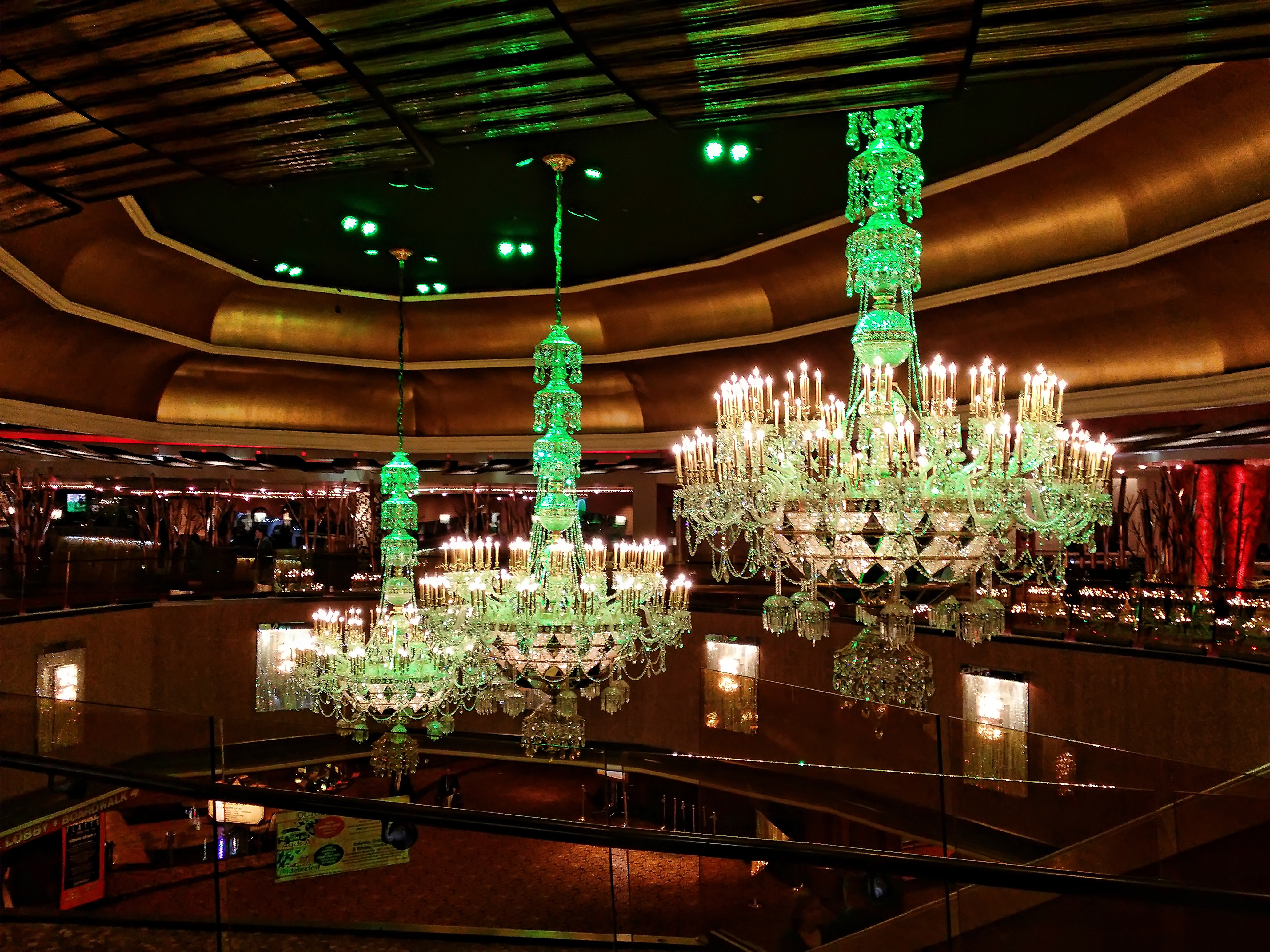
A live casino studio functions as a dedicated broadcast facility where genuine dealers operate physical gaming tables, and cameras transmit the action directly to your screen. The studios are fitted with high-quality lighting, multi-angle camera rigs, and RFID technology that reads every card or roulette result immediately. As opposed to computer-generated games, you’re seeing actual cards being dealt and real wheels spinning. The results get converted into digital data for your screen through optical character recognition software.
Is it possible for the dealer spot me or hear me during a live game?
In typical setups, the dealer cannot see you, but they can read your typed messages in the live chat. Your webcam is not broadcast to the studio floor, so your privacy remains protected. The dealer responds verbally to chat messages, establishing a one-way visual broadcast and a two-way text chat. This maintains a social feel while guaranteeing hundreds of players at a table don’t create audio chaos on the studio floor.
Do live casino games truly fair and unrigged?
Yes, live casino games are undeniably more transparent than digital ones because you observe the physical action happen in real time. The studios work under strict regulatory licenses that mandate regular audits of equipment like roulette wheels and card shoes. Dealing procedures stick to mechanical scripts where dealers must show empty hands and burn cards visibly. Since the result comes from physical physics, not a hidden algorithm, tampering would need a visible, detectable physical intervention.
What internet speed do I need for uninterrupted live streaming?
A stable connection of at least 5 Mbps is suggested for HD live streams, though adaptive bitrate technology will automatically scale video quality to match your bandwidth. Mobile players on 4G usually get smooth playback, but avoid playing on a fluctuating connection. A sudden drop during a betting window could stop you from placing a wager. A wired connection or strong Wi-Fi is always the safest bet for high-stakes sessions.
Why might the live dealer be replaced during my session?
Dealer changes are common procedure in professional live dealer studios, the same as in a physical casino. Dealing takes extreme attention and constant talking, so dealers typically work in 20- to 40-minute shifts before taking a break. Shift changes prevent tiredness, which could cause errors at the table or a drop in entertainment quality. The replacement dealer maintains the same rigorous procedures, so the fairness of the game and speed stay steady across the shift change.
Can I play live studio games on my mobile phone?
Absolutely. Contemporary live dealer studios design their camera angles and UI with mobile players in mind. Betting layouts are tailored for portrait orientation, putting chips within easy reach of your thumb while the video stream appears at the top. The streaming technology adapts automatically resolution to prevent loading delays on cellular networks. You can access the full suite of live casino tables, including live game shows and high-limit VIP rooms, with the same functionality you’d get on a desktop computer.